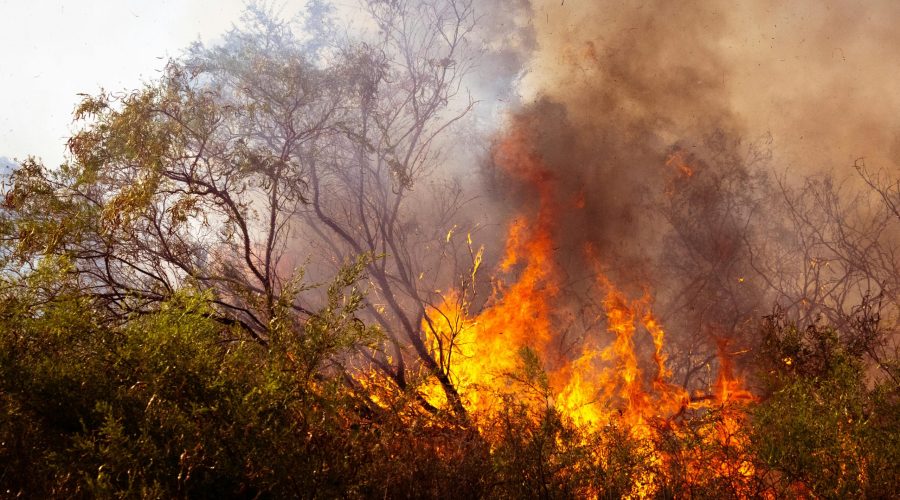
Fire Season Awareness: Fire Prevention and Fighting Tips
The fire season in Namibia officially begins during the summer months, starting on the 1st of August 2025. Each year, forest fires destroy approximately two (2) million hectares of vegetation in fire-prone regions, threatening lives and property while degrading the environment. These seasonal fires frequently damage vegetation and lead to the loss of valuable resources. Severe fires also disrupt ecosystems and natural processes that are vital to sustaining our livelihoods.
Due to the threat posed by fire, the Ministry of Environment, Forestry and Tourism is appealing to the public, landowners, and all relevant stakeholders to take collective responsibility for managing fire. The Ministry seeks public cooperation in assisting with fire suppression efforts where and when required.
The public is further urged to use fire responsibly to avoid destructive wildfires that harm both property and the environment. It is advised that communities carry out slash-and-burn or crop-field clearing activities only during cooler hours — either in the early morning (until 09h00) or late afternoon (from 18h00 onwards).
Causes of Veld Fires
Veld fires are primarily caused by human activities, both intentional and accidental, rather than natural occurrences. The main causes include:
- Careless disposal of cigarette stubs – Discarded cigarette butts can easily ignite dry grass and leaves.
- Burning vegetation during land preparation – Uncontrolled burning can quickly spread beyond intended areas.
- Hunting and smoking out bees – These traditional practices can inadvertently cause fires.
- Motorists making fires along roadsides – People starting fires while waiting for transport or disposing of waste can start uncontrolled fires.
- Deliberate fire-setting (arson) – Some fires are started intentionally, causing serious damage.
- Children playing with matches or fire – Lack of supervision and fire safety awareness can lead to accidental fires.
- Improper disposal of ash – Hot ashes from household fires may reignite nearby vegetation.
- Natural causes – Although rare, lightning strikes can also start veld fires.
How to Prevent and Control Veld Fires
- Responsible Land Management
Maintain firebreaks (cleared areas that prevent the spread of fire), conduct controlled burning during cooler periods, and dispose of vegetation properly. A fire assessment should be done in advance, with fire tracers created around the area to be burned. A minimum of two weeks’ notice should be given before conducting controlled burns. - Early Detection and Response
Community members should stay vigilant and report any signs of fire early to ensure a quick and effective response. - Community Involvement
Fire management strategies should include active participation from local communities through awareness campaigns and prevention initiatives. - Law Enforcement
Strict enforcement of fire-related laws is essential. Farmers and landowners must inform the ministry of environment ,and the Namibian Police before conducting any controlled burns. - Education and Awareness
Awareness campaigns can promote behavioural change by educating people on the causes and impacts of veld fires. - Controlled Burning
When carried out under the right conditions with proper planning, controlled burns can help reduce combustible material and prevent larger wildfires. - Firefighting Equipment and Training
Communities should have access to basic firefighting tools, water sources, and proper training to effectively respond to fires. - Fire Danger Rating Systems
Implementing and using fire danger rating systems can support decision-making around fire management and help guide safe fire use practices.
Impact of Veld Fires
Veld fires have serious social, economic, and environmental impacts. They disrupt livelihoods, destroy biodiversity, and reduce environmental quality. Key sectors affected include agriculture, forestry, tourism, and wildlife.
Emergency Contact Information
The public is urged to report any fire incidents as soon as possible for a swift response:
📞 061 208 7291 (during working hours)
📞 +264 81 1444 878 (after hours and weekends)
Source: Justin Nyakudanga (via https://www.zimbabweforestrymagazine.com)