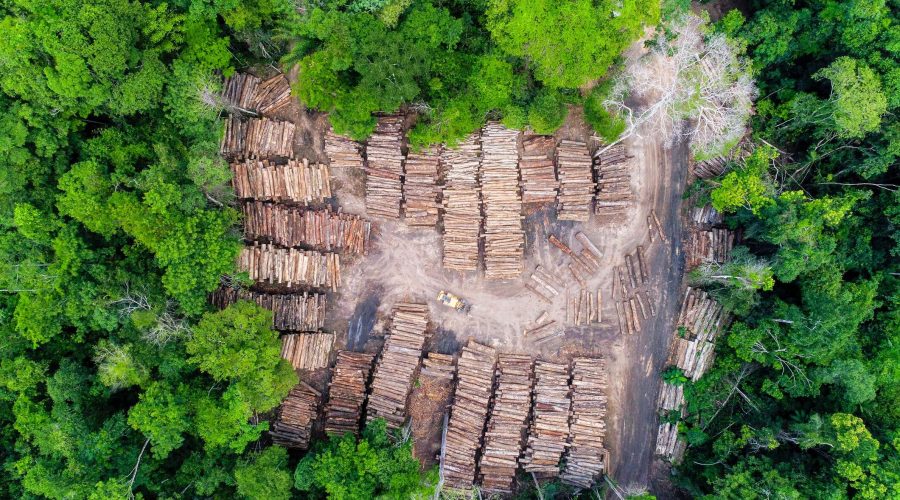
Sustainable Forestry Practices in the Charcoal Industry
Sustainable forestry plays a critical role in ensuring the long-term success of the charcoal industry, especially in countries like Namibia where land management and environmental balance are essential. When forestry resources are managed responsibly, charcoal production can support economic growth while protecting natural ecosystems.
At the core of sustainable forestry is controlled and selective harvesting. Rather than clearing large areas indiscriminately, sustainable charcoal producers focus on removing specific tree species, invasive bush, or overgrown vegetation. In Namibia, this approach is particularly important due to bush encroachment, which reduces grazing land and water availability. Responsible harvesting helps restore balance to the land while supplying raw material for charcoal production.
Reforestation and natural regeneration are also key components of sustainable forestry. While much of Namibia’s charcoal is produced from encroacher bush rather than indigenous forests, landowners still benefit from allowing vegetation to regrow naturally after harvesting. This supports soil stability, prevents erosion, and encourages biodiversity over time.
Efficient charcoal production methods further support sustainability. Modern kilns and improved production techniques reduce wood waste and lower emissions compared to traditional methods. By getting more usable charcoal from less biomass, producers reduce pressure on forestry resources and improve overall efficiency.
Compliance with forestry regulations and environmental guidelines is another important factor. Sustainable producers follow local laws, obtain the necessary permits, and work within approved harvesting plans. This not only protects the environment but also improves market access, as many international buyers now require proof of responsible and legal sourcing.
Ultimately, sustainable forestry practices help ensure that the charcoal industry remains viable for future generations. By combining responsible harvesting, efficient production, and sound land management, charcoal producers can protect Namibia’s natural resources while continuing to supply a growing global market.