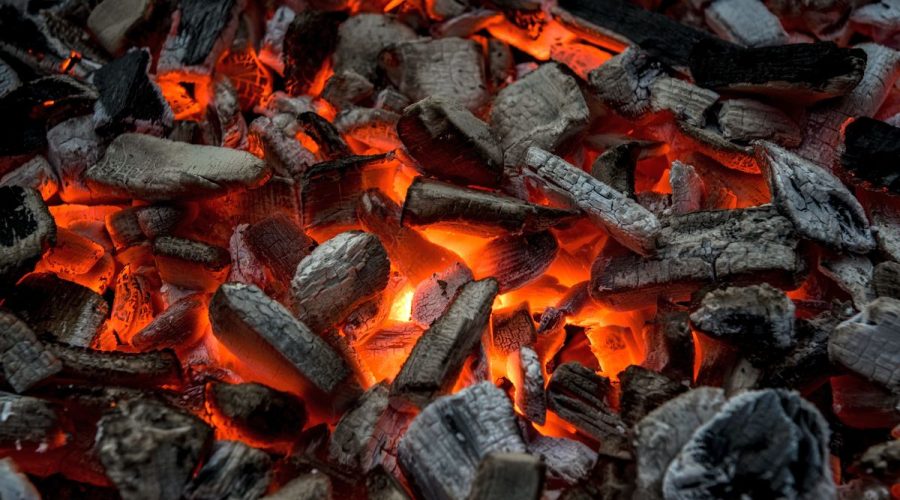
How Charcoal Is Made: From Wood to Finished Product
Charcoal production is a carefully managed process that transforms raw wood into a high-energy fuel used for cooking, heating, and industrial purposes. In Namibia and across Southern Africa, charcoal is commonly produced from encroacher bush and selected hardwood species, making it both an economic activity and a land management solution. Below is a detailed look at each stage of the charcoal-making process.
1. Wood Selection and Harvesting
The process begins with selecting suitable wood. In Namibia, this often includes invasive bush species such as encroacher acacia, which negatively impact grazing land and water resources. Harvesting is done selectively and under forestry guidelines to ensure sustainability and legal compliance. Trees and bushes are cut, de-branched, and prepared for processing.
2. Drying and Preparation
Freshly cut wood contains moisture that must be reduced before carbonisation. The wood is stacked and air-dried, sometimes for several weeks, depending on climate and wood type. Proper drying improves charcoal quality, increases efficiency, and reduces smoke during the burning process.
3. Carbonisation (The Core Process)
Carbonisation is the stage where wood is converted into charcoal. This is done by heating the wood in a low-oxygen environment, causing volatile gases and moisture to escape while leaving behind mostly carbon.
Common methods include:
-
Earth kilns – Traditional and low-cost, but less efficient
-
Metal kilns – Improved efficiency and better control
-
Brick or retort kilns – High efficiency, lower emissions, and consistent quality
The kiln is carefully sealed and monitored to control airflow and temperature. Too much oxygen causes the wood to burn to ash, while too little heat results in poor-quality charcoal. The carbonisation process can take several days to complete.
4. Cooling and Unloading
Once carbonisation is complete, the kiln must cool slowly before opening. Rapid exposure to oxygen while the charcoal is still hot can cause it to ignite. Cooling can take anywhere from 24 hours to several days. After cooling, the charcoal is removed and inspected.
5. Sorting and Grading
The finished charcoal is sorted by size and quality. Larger pieces are typically used for cooking and grilling, while smaller fragments may be sold for industrial use or processed into briquettes. Dust and unusable material are separated to maintain product consistency.
6. Packaging and Storage
Charcoal is packed into bags of various sizes, often labelled according to grade, weight, and intended use. Proper storage is essential to keep charcoal dry and prevent contamination. In Namibia, much of the charcoal produced is prepared for export, requiring strict quality control and documentation.
7. Transport and Distribution
The final step is transporting the packaged charcoal to local markets or export facilities. Efficient logistics and compliance with trade regulations are important, especially for producers supplying international buyers.
From Raw Wood to Market-Ready Fuel
Charcoal production is more than just burning wood—it is a controlled process that requires skill, planning, and responsible land management. When done correctly, charcoal manufacturing supports sustainable forestry, restores farmland affected by bush encroachment, and creates valuable economic opportunities for Namibian producers.