
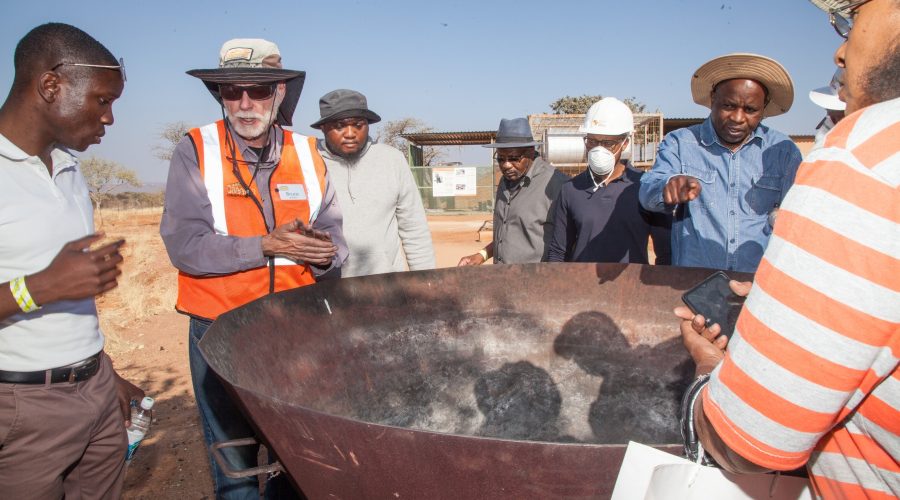
Namibia’s Biomass Sector to create over 3,600 Jobs
The Ministry of Justice and Labour Relations is set to create more than 3,600 jobs through the implementation of the Global Accelerator and Social Protection for Just Transitions project. This initiative was among the key programmes highlighted by the Minister of Justice and Labour Relations, Mr. Wise Emmanuel, when he tabled an N$250.26 million budget in Parliament earlier this year.
Mr. Emmanuel explained that the initiative will be integrated with job-matching platforms such as the Namibia Integrated Employment Information System and the National Occupational Skills Audit Survey to help tackle the country’s persistently high unemployment rate. He further noted that the allocated budget will support the expansion of essential programmes aimed at strengthening a stable and progressive labour market.
According to the Namibia Statistics Agency’s most recent census report, Namibia’s overall unemployment rate stood at 36.9% in 2023, with youth unemployment reaching a staggering 44%.In 2024, Namibia commenced the construction of its first biomass power plant, representing an investment of approximately N$2.64 billion. The 40-megawatt Otjikoto Biomass Power Station, located 12 kilometres north of Tsumeb, is scheduled for completion in the first quarter of 2027. It will generate electricity through the combustion of wood chips derived from encroacher bush harvested in the surrounding areas.
Namibia’s biomass value chain is estimated to be worth around N$21 billion, indicating significant potential for economic growth and job creation. During the current financial year, Mr. Emmanuel said the ministry has also allocated funds for finalising key labour reforms, including amendments to labour legislation, the adoption of the National Employment Policy, and the Occupational Safety and Health Bill. The budget further provides resources for the enforcement of the new national minimum wage, which comes into effect on 1 January 2025. “This wage floor applies across all sectors, including agency-placed workers,” the minister clarified.
Additionally, the ministry will focus on addressing income inequality, which Mr. Emmanuel described as one of Namibia’s most pressing challenges, driven largely by disparities in wage and business income. “We are formulating targeted measures to reduce these inequalities and promote equal opportunities within the labour market,” he added.
— Article by Shania Lazarus

